
(as of 04/12/2024)
Need help with a wildlife issue?
Get answers to your questions and concerns
Make a donation
Provide expert care to wild animals in need
Volunteer
TWC runs on volunteer power. Become part of our team!
241
Patients currently in care
49
Species currently in care
688
Patients admitted so far this year
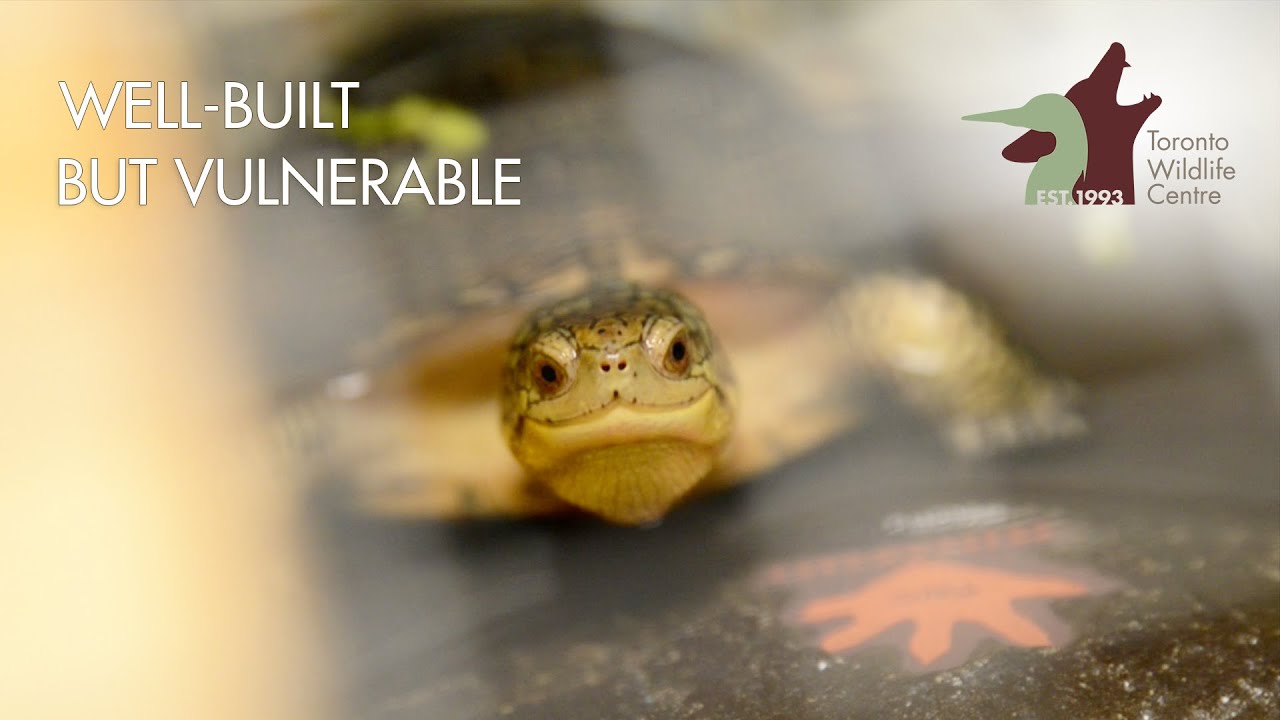
At TWC, no wild animal is forgotten – including at-risk turtles. Every life saved makes a big difference to the survival of their species. In this special short documentary created by our very own, watch (until the end, you won’t regret it!) as our team does all they can to help each one.
Watch more videos of wild lives being saved
Wildlife Stories / Recent Stories
On October 1st, Toronto Wildlife Centre (TWC) and Project Swallowtail launched a pollinator garden initiative with a beautiful garden installation. For those not familiar with Project Swallowtail, it is a...
By Victoria Badham, Education and Outreach Manager at TWC So often, the gifts we give and receive around the holidays go unused, underused, given away, or even worse, sent to…
Fall Migration – Don’t Miss This “Window” of Opportunity to Keep Birds Safe in Your Yard
Toronto Wildlife Centre | Uncategorized | No CommentsBy: Victoria Badham, Education and Outreach Thud – the gut-wrenching sound of a bird flying hard into a window. Thud. It’s estimated that 25 million birds die from window strikes…
I Found an Animal Who Needs Help But TWC is Closed – What Do I Do?
Toronto Wildlife Centre | Wildlife Rescue, Wildlife Tips | No CommentsTWC is open every day from 9am – 6pm (including weekends and most holidays). If we are closed when you find the animal, please leave a message on our hotline…